Azerbaijan participates in the World Food Forum in Italy
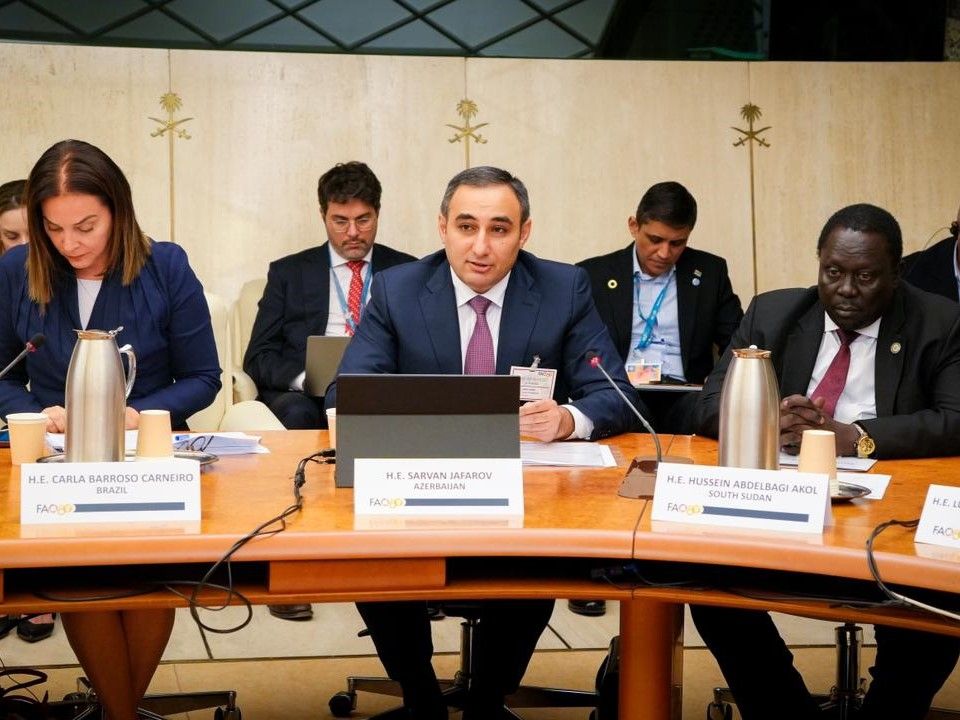
Within the framework of the World Food Forum, a high-level event was held under the theme “Enhancing Climate Response through Agrifood Systems: Sustainable and Resilient Agricultural Systems to Deliver Better Production, Better Nutrition, a Better Environment and a Better Life.” Speaking at the event, Deputy Minister Sarvan Jafarov highlighted the reforms implemented in Azerbaijan’s agricultural sector and provided information on the main priorities of the country’s agrarian development strategy as well as ongoing innovative projects. He identified innovation, science and technology as key drivers of sustainable and inclusive agricultural development, emphasizing that modern agriculture cannot succeed without digital transformation and smart technologies.
Sarvan Jafarov added that consistent and systematic measures are being implemented in Azerbaijan to transform agriculture into a modern and digital sector and to promote rural development, while state support mechanisms for agriculture are being expanded. In particular, since 2018, the digitalization of services has been accelerated through the E-Agro platform, enabling farmers to access key services digitally.
It was noted that, together with international partners, Azerbaijan is currently developing a two-year digital and artificial intelligence roadmap covering more than 30 practical use cases, ranging from crop variety mapping and soil monitoring to yield forecasting and water-efficient irrigation. These data-driven tools will help farmers make smarter decisions, enhance sustainability and generate significant economic value in the coming years.
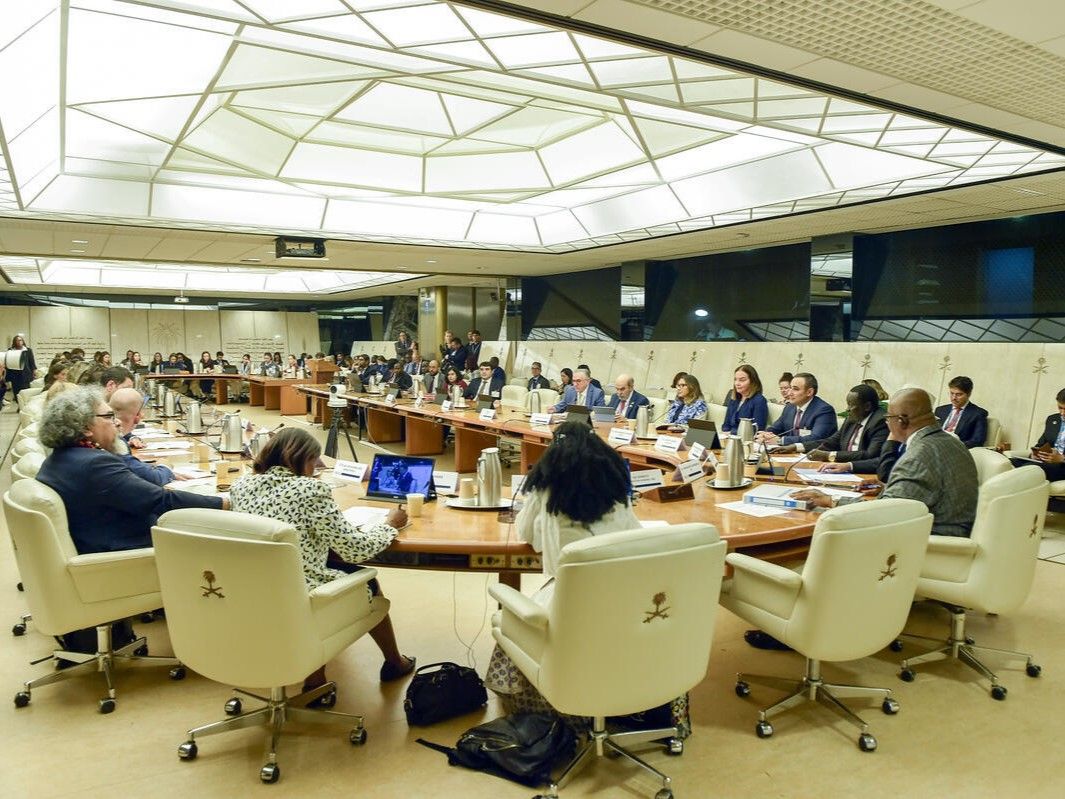
Within the forum, a Ministerial Dialogue dedicated to the theme “South-South and Triangular Cooperation: A Catalyst for Transforming Agrifood Systems” was also held. Addressing the event, which brought together senior officials from state institutions of 18 countries, FAO Director-General Qu Dongyu described South-South and Triangular Cooperation as a strategic instrument for transformation.
In his speech, Deputy Minister Sarvan Jafarov underlined that since its establishment, FAO has made an important contribution to global food security, nutrition and the transformation of agrifood systems, and emphasized that Azerbaijan supports all initiatives aimed at building sustainable and inclusive agrifood systems. He stressed Azerbaijan’s interest in expanding cooperation within FAO’s South-South and Triangular Cooperation platforms, the “Four Betters” initiative—based on the principles of better production, better nutrition, a better environment and a better life—as well as other multilateral platforms. The Deputy Minister also noted that Azerbaijan has established effective cooperation with the Organization of Turkic States, member states of other international organizations, and countries of the Global South.
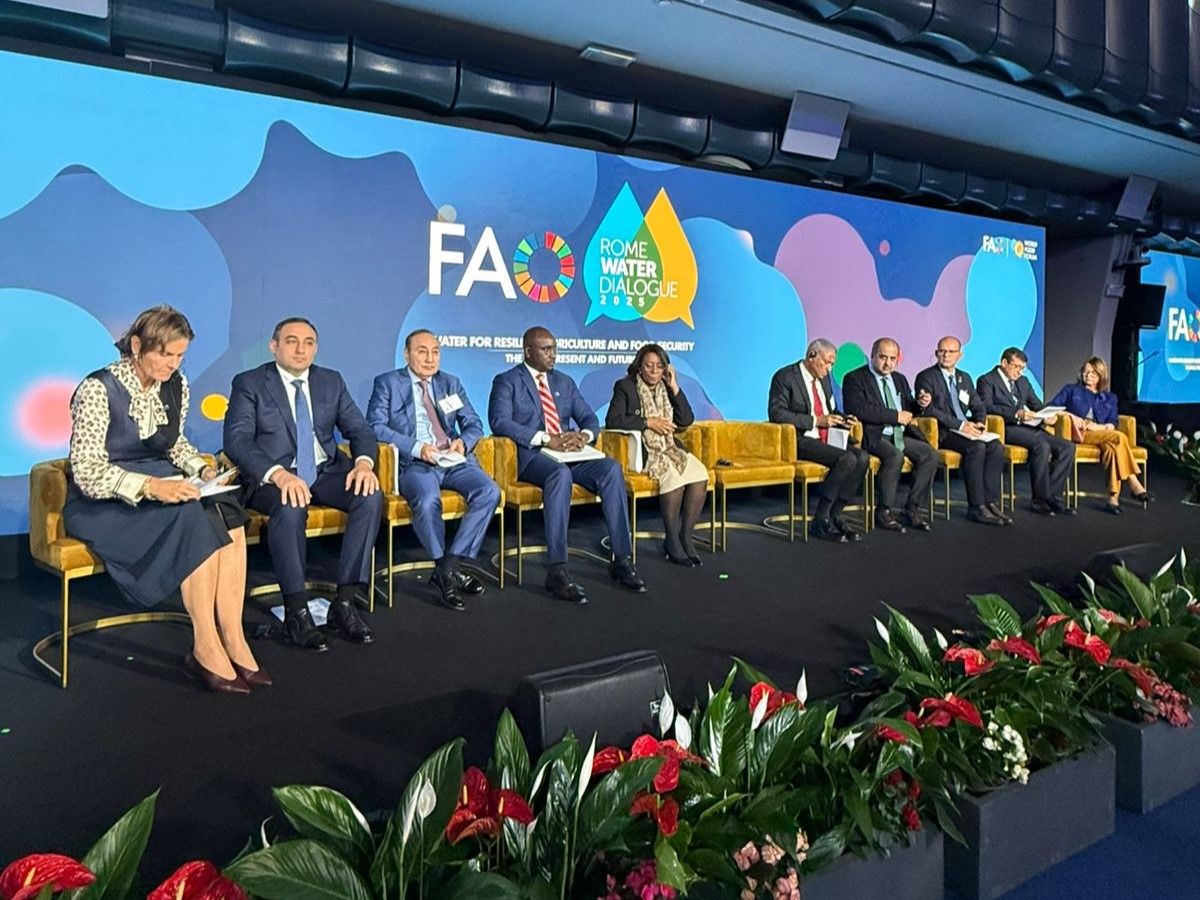
Sarvan Jafarov also spoke at a high-level meeting held within the forum on the theme “Water for Sustainable Agriculture and Food Security: Past, Present and Future.” Against the backdrop of contemporary challenges, he emphasized the vital importance of water and land resources in meeting the needs of a rapidly growing population, highlighting the crucial role of effective water and land management.
The Deputy Minister stated that the Government of Azerbaijan places special emphasis on the modernization of agriculture through the use of digital and smart technologies, pursuing policies that promote efficient use of land and water resources, environmental protection and biodiversity conservation, supported by comprehensive state assistance measures.
He also touched upon the significance of hosting the 29th session of the Conference of the Parties to the UN Framework Convention on Climate Change (COP29) in Azerbaijan, recalling that important decisions capable of reshaping global climate action – particularly in support of vulnerable countries least prepared for climate challenges – were adopted during the successfully organized international event.
At the World Food Forum and related events, participants discussed issues such as climate change and the depletion of natural resources, the creation of sustainable agricultural systems adapted to new challenges, the digital transformation of the agricultural sector, technology transfer, and the sharing of best practices. Experts shared views on land protection, biodiversity conservation, efficient use of water resources, the establishment of large-scale farms based on modern technologies, increasing productivity, improving wheat self-sufficiency levels, and developing the processing industry.